
Don’t Replace Your Tech When You Can Fix It
Asenqua Tech is reader-supported. When you buy through links on our site, we may earn an affiliate commission.
Out of nowhere, tech shows up everywhere – phones, computers, even the coffee maker hums with circuits. When something glitches, though, most folks jump straight to buying new. That habit? It quietly drains wallets while piling up e-waste in landfills. Fixing things yourself, believe it or not, handles plenty of problems without draining your bank account. Fixing things instead of tossing them saves money – no surprise there. Yet it does more than that, actually helping the planet while making daily life easier.
The Hidden Cost of Replacing Technology
Out of nowhere, a gadget might stop working or crawl along. Suddenly, swapping it out feels like the quickest fix. Companies keep pushing fresh versions packed with extra tricks, whispering that old ones just won’t cut it anymore. But trading in your tech? That move carries hidden weight – more than just what you pay at checkout.
Sometimes a fresh gadget shows up needing extra bits, newer programs running behind it, ongoing payments just to keep using it, or changes so it talks right with what you already own. When companies swap out machines at work, things get shuffled – tasks slow down, people need time learning how different it feels now. At home, doing this too often stretches money thinner each month while piling up quiet losses that never really add value again.
Most folks forget how a small fix might bring an old gadget back to life way cheaper than buying new. A cracked screen, weak battery, frayed wire, or machine running too hot – these usually respond well to expert attention or solid spare parts.
Repair Is Better for the Environment
Electronic waste is a growing global problem. Discarded devices contain metals, plastics, and chemicals that can negatively impact ecosystems when improperly disposed of. Every smartphone, television, or appliance sent to landfill contributes to a larger environmental challenge.
Manufacturing new technology also requires significant energy and raw materials. Mining rare earth metals, producing components, and transporting finished products create substantial carbon emissions.
Choosing to repair existing devices helps reduce this environmental burden. Extending the lifespan of technology minimizes waste and lowers demand for new manufacturing. Even repairing a single device can make a meaningful difference when multiplied across millions of consumers.
As sustainability becomes increasingly important, repair culture encourages more responsible consumption and helps shift society away from disposable habits.
Access to Quality Parts Makes Repair Easier
One reason people replace devices prematurely is the misconception that repairs are complicated or impossible. In many cases, repairs are straightforward when reliable components are available.
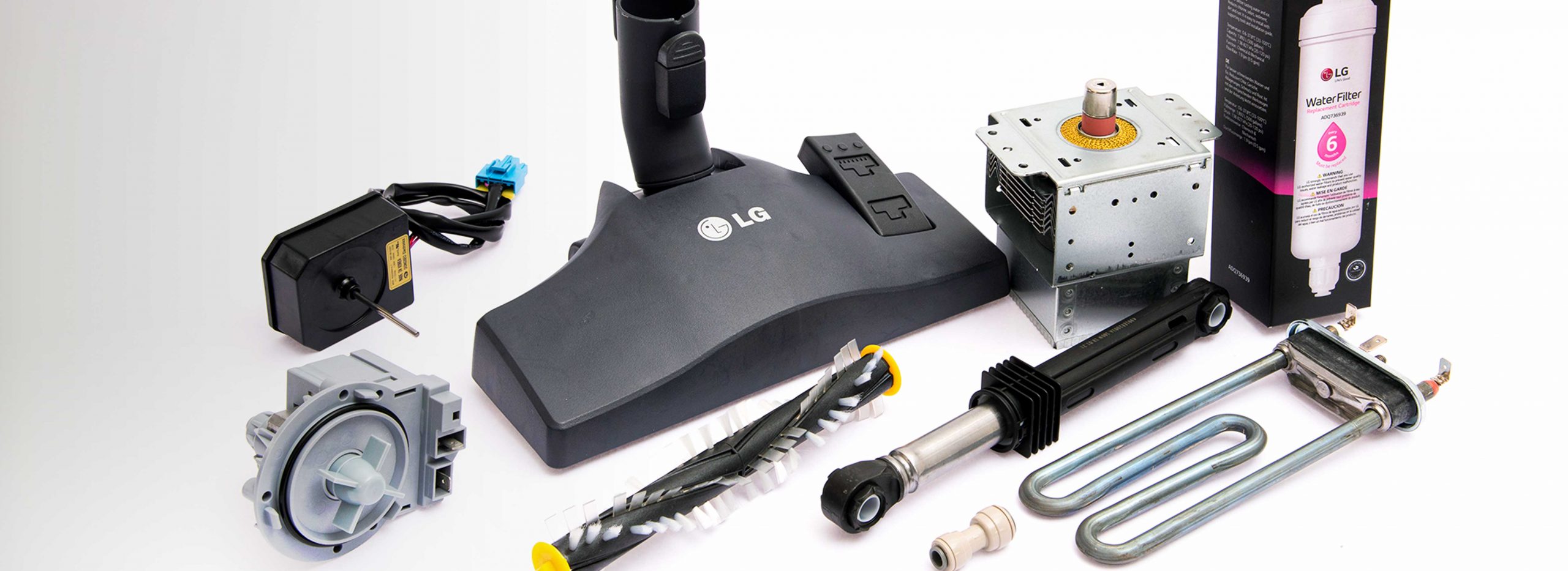
Consumers now have better access to replacement parts and professional repair services than ever before. Whether dealing with home appliances, televisions, or electronic accessories, sourcing dependable components can significantly extend a product’s usability. For example, finding lg spare parts through trusted suppliers allows owners to repair compatible appliances rather than replacing expensive units entirely.
Using quality parts is essential because low-grade replacements can shorten device lifespan and create recurring problems. Professional technicians often recommend genuine or manufacturer-approved components to ensure durability and optimal performance.
Common Devices That Are Worth Repairing
Not every broken device requires immediate replacement. Many everyday technologies are particularly well-suited for repair.
Smartphones and Tablets
Battery degradation, charging port issues, and cracked screens are among the most common problems. These repairs are usually affordable and can restore a device to near-new condition.
Laptops and Computers
Slow performance does not always indicate the need for a new computer. Upgrading storage, replacing batteries, or cleaning internal systems often improves speed and functionality.
Home Appliances
Refrigerators, washing machines, microwaves, and televisions frequently experience repairable faults. Replacing individual components can significantly extend their service life.
Gaming and Entertainment Systems
Connectivity issues, overheating, and worn internal parts often have practical repair solutions that cost far less than purchasing new equipment.
Repair Encourages Smarter Buying Habits
Repairing gadgets shifts how people think about what they buy next. Not just drawn to flashy updates or quick fixes anymore, shoppers look harder at whether something will last, can be fixed, or holds its worth over time.
Over time, items built with reachable parts plus dependable help tend to pay off more. Looking into guarantees, how fixes are handled, one thing is clear – knowing where spare pieces come from shapes smarter buys.
Sticking to this way of thinking keeps buyers from snapping up new gadgets too fast. Instead, it nudges them toward longer, calmer use of their devices.
Final Thoughts
Fixing things instead of tossing them out usually makes better sense. Often it costs less, keeps junk from piling up, plus stretches what we’ve got further. Devices like phones or kitchen gadgets tend to last longer than folks think. Choosing to mend rather than replace means holding on to cash and cutting down clutter at the same time. Owning gear longer helps wallets, nature, and common sense win together.