
Mosquito Control Strategies: Lessons Learned and Future Plans
Asenqua Tech is reader-supported. When you buy through links on our site, we may earn an affiliate commission.
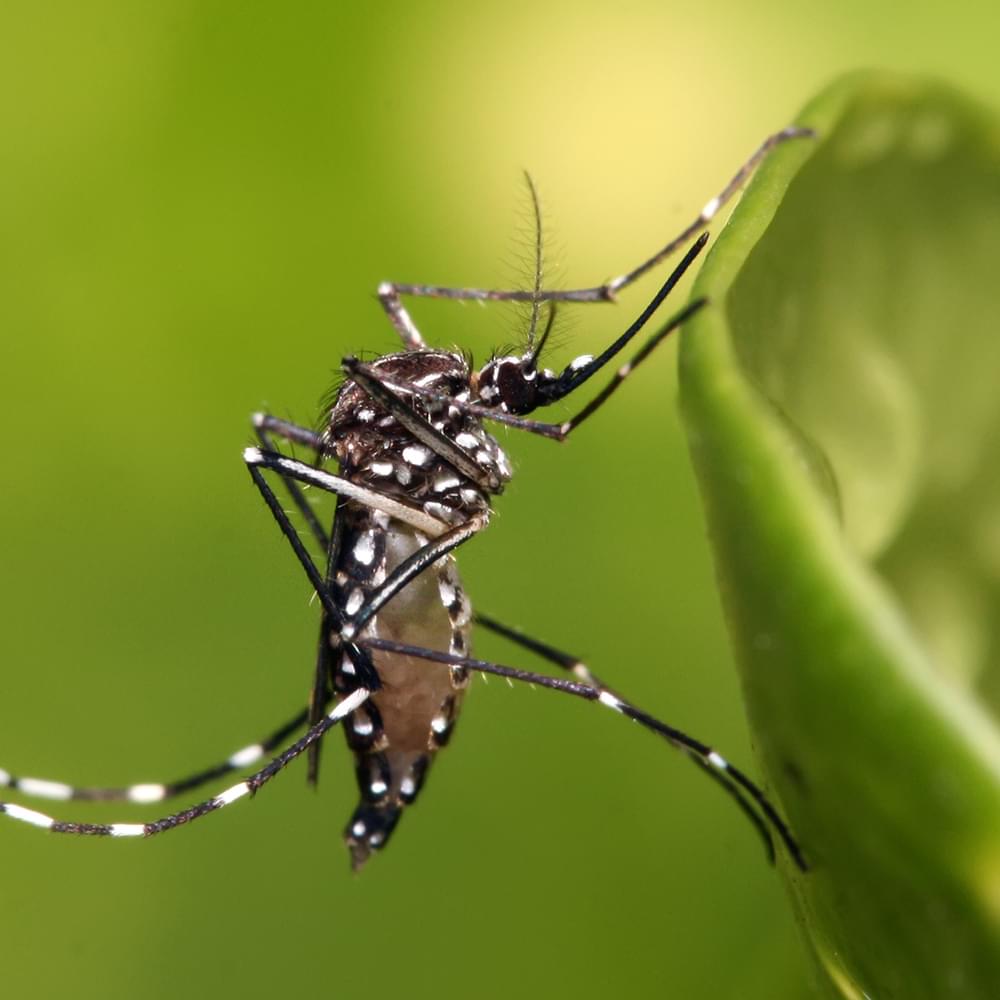
Mosquitoes are not just pesky insects that ruin outdoor activities; they are vectors of some of the world’s most deadly diseases, including malaria, dengue fever, and Zika virus. Effective mosquito control is crucial in mitigating the public health impact of these insects. Over the years, various strategies have been employed with varying degrees of success. This article explores the lessons learned from past mosquito control initiatives and outlines future plans to enhance these efforts.
Historical Perspective on Mosquito Control
Historically, mosquito control efforts have ranged from simple measures like draining stagnant water, which serves as breeding grounds, to more sophisticated approaches involving chemical interventions. The use of DDT (dichloro-diphenyl-trichloroethane) in the mid-20th century marked a significant advancement in mosquito control, leading to a dramatic decrease in malaria cases. However, the environmental and health concerns associated with DDT led to its eventual ban in many countries.
Lessons Learned
One key lesson from past mosquito control efforts is the importance of an integrated approach. Relying solely on chemical methods can lead to resistance in mosquito populations and adverse environmental impacts. Integrated Mosquito Management (IMM) strategies that combine biological control, environmental management, and community engagement have shown more sustainable results.
Community involvement is another critical lesson. Educating and empowering local communities to participate in mosquito control initiatives can significantly enhance the effectiveness of the efforts. Simple actions like eliminating standing water in containers and proper waste management can greatly reduce mosquito breeding sites.
Innovative Future Plans
The future of mosquito control looks promising with the advent of new technologies and methods. One exciting development is the use of genetic engineering, where mosquitoes are genetically modified to reduce their ability to transmit diseases. Another promising technique is the release of sterilized male mosquitoes to reduce population numbers, known as the Sterile Insect Technique (SIT).
Additionally, advancements in digital technology are paving the way for smarter mosquito control. The use of drones for surveillance and targeted pesticide application, as well as the development of mobile apps for reporting mosquito hotspots, are set to revolutionize how we manage mosquito populations.
Conclusion
Effective mosquito control is essential in protecting public health and improving quality of life. While significant progress has been made, there is still much to learn and implement. By integrating lessons from past experiences with innovative technologies, we can develop more effective and sustainable mosquito control strategies. For those seeking immediate assistance with mosquito control, consider exploring Pest control near me for professional services.
Published by Journal of Pest Management, October 2023.