
The Role of SLIs, SLOs, and SLAs in DevOps Success
Asenqua Tech is reader-supported. When you buy through links on our site, we may earn an affiliate commission.
Think of DevOps as a high-speed train racing across a continent. Its mission is to deliver passengers—features, updates, and fixes—on time and without derailment. But every train needs milestones, schedules, and safety checks to ensure a smooth journey. In the world of DevOps, these markers come in the form of SLIs, SLOs, and SLAs. They aren’t just acronyms; they are the timetables and signals that keep the train running reliably while instilling confidence in those waiting at the station.
SLIs: The Vital Signs of the System
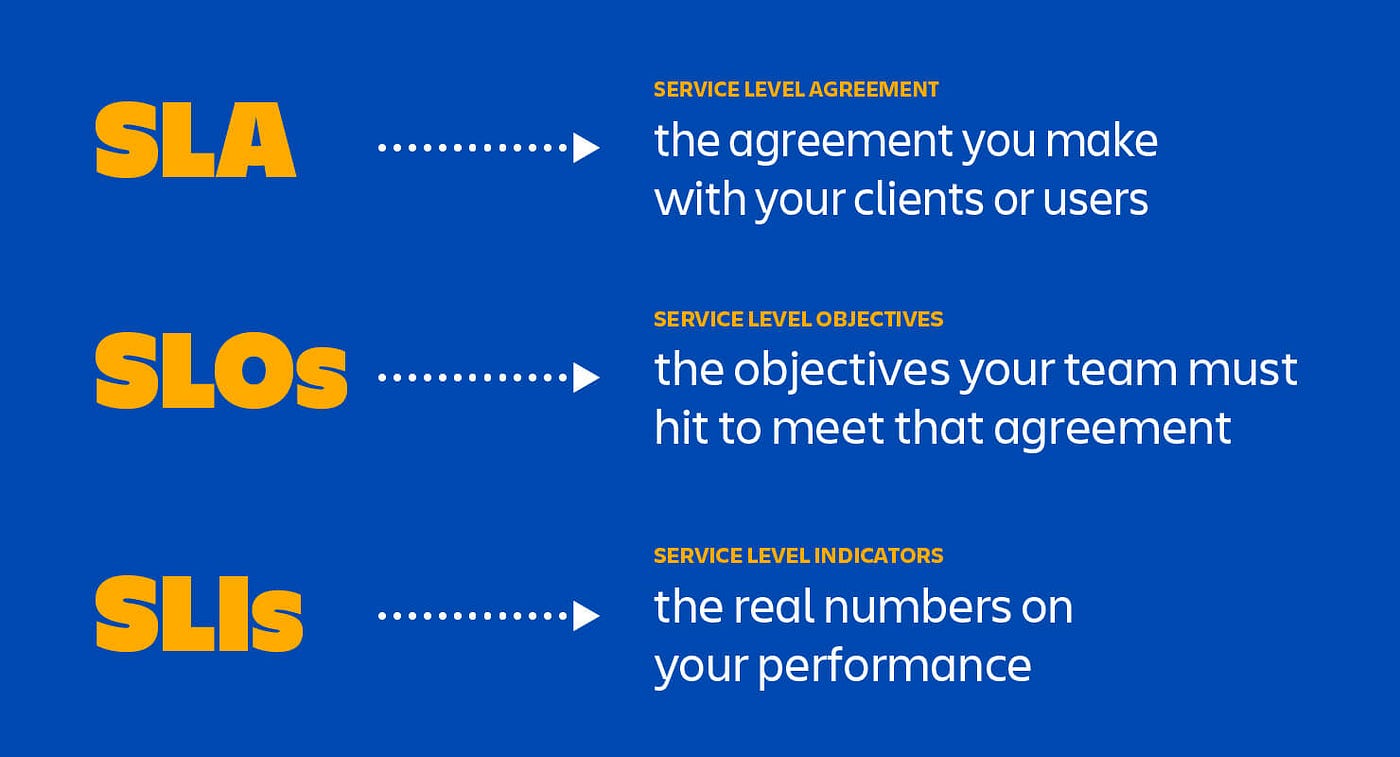
Imagine a patient in an intensive care unit. Doctors and nurses track vital signs—heart rate, oxygen levels, blood pressure—because they offer the clearest picture of health. In technology, Service Level Indicators (SLIs) serve the same purpose. They measure key aspects like latency, error rate, or system availability, helping teams understand whether the digital patient—the application—is thriving or at risk.
When learners explore these metrics in DevOps Classes in Bangalore, they discover how to transform abstract numbers into actionable insights. Much like a doctor who adjusts treatment based on a heart monitor, engineers fine-tune infrastructure by reading the subtle pulses of SLIs.
SLOs: Setting the Standard of Care
If SLIs are the vital signs, Service Level Objectives (SLOs) are the targets for recovery and well-being. A hospital might set a goal for a patient’s heart rate to stabilise within a specific range; likewise, DevOps teams define SLOs as measurable objectives for system performance. For instance, a team might commit to keeping API latency below 300 milliseconds for 99.9% of requests.
These goals create clarity, turning raw metrics into shared expectations. Without SLOs, teams would drift aimlessly, unsure of what “healthy” looks like. In practice, engineers learn that SLOs are less about perfection and more about balance: delivering just enough reliability to keep customers satisfied while avoiding burnout by chasing unrealistic goals.
SLAs: The Public Promise
Service Level Agreements (SLAs) represent the signed contract between provider and customer. Picture a travel agency guaranteeing that your luxury train will arrive within six hours—or offering a refund if it doesn’t. In IT, SLAs formalise that same promise of reliability, tying measurable performance to accountability.
For businesses, this creates trust. Clients know not only what level of service to expect but also what compensation is owed if the provider falls short. Engineers navigating DevOps Classes in Bangalore often study how SLAs serve as the bridge between technical performance and customer relationships. It’s one thing to meet an SLO internally; it’s another to assure a client in writing that you can deliver.
The Interplay: Harmony Between Metrics and Promises
SLIs, SLOs, and SLAs work together like a symphony. SLIs are the individual notes, SLOs the sheet music guiding the tempo, and SLAs the commitment to perform that music for an audience. If one element is missing, harmony is lost. Too many SLIs without objectives cause confusion. Ambitious SLOs without realistic monitoring lead to failure. And SLAs without solid metrics risk becoming empty promises.
By weaving these layers together, organisations build resilience. Teams gain the confidence to release faster, troubleshoot proactively, and hold themselves accountable not only to internal standards but also to the customers who depend on them. This alignment between measurement, objective, and agreement is where DevOps transcends tools and becomes a culture of reliability.
Why It Matters for DevOps Success
The true strength of DevOps isn’t just automation or pipelines—it’s the ability to sustain momentum without sacrificing quality. SLIs, SLOs, and SLAs act as the invisible scaffolding supporting that mission. They prevent teams from drowning in vanity metrics, anchor expectations in reality, and establish a language of trust with customers.
For professionals stepping into today’s technology landscape, mastery of these concepts is not optional; it is foundational. Understanding how to measure what matters, set practical goals, and uphold promises is what separates a competent team from one that drives lasting business impact.
Conclusion
Like the train that arrives on schedule and the orchestra that performs in harmony, DevOps success relies on precision, rhythm, and accountability. SLIs keep watch over performance, SLOs define the acceptable rhythm, and SLAs turn those rhythms into public commitments. Together, they transform uncertainty into reliability.
For learners and practitioners alike, embracing these principles ensures they’re not just building systems that run—but systems that inspire trust. That, ultimately, is the heartbeat of DevOps success.
