Personalized Learning: Promise and Practice in Today’s Classrooms
Asenqua Tech is reader-supported. When you buy through links on our site, we may earn an affiliate commission.
Introduction
Every child learns differently. This simple truth has challenged educators for generations, but today’s technology is finally making personalized learning achievable at scale. The transformation isn’t just about digital tools – it represents a fundamental shift in how we approach education.
Traditional classrooms operate on a one-size-fits-all model, with all students moving through the same material at roughly the same pace. This approach inevitably leaves some students bored while others struggle to keep up. Personalized learning flips this model, tailoring instruction to individual needs, interests, and learning styles.
“When I started implementing personalized learning, the energy in my classroom completely changed,” says elementary school teacher Rebecca Johnson. “Students who had been disengaged suddenly became active participants because they could follow their curiosity and work at their own pace.”
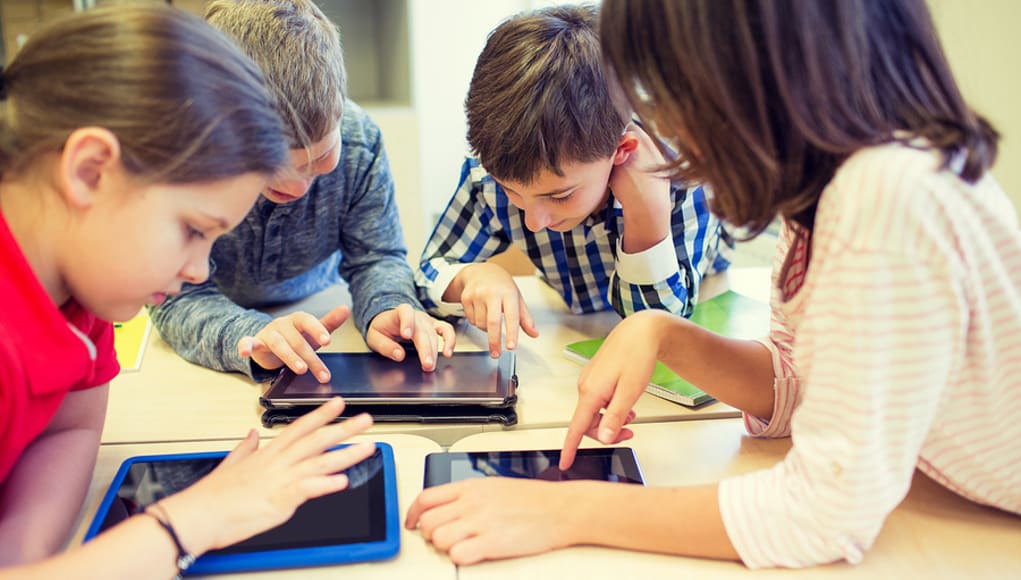
Modern teachers are increasingly using adaptive learning platforms that adjust content difficulty based on student performance. These systems provide real-time data on student progress, helping educators identify and address learning gaps quickly. An AI Homework Helper can further support this approach by providing students with customized practice opportunities and immediate feedback.
The benefits of personalized learning extend beyond academic achievement. When students have more agency in their education, they develop stronger self-regulation skills and intrinsic motivation. They learn to set goals, monitor their progress, and take responsibility for their learning – skills that serve them well beyond the classroom.
“I’ve seen students transform from passive recipients of information to active directors of their own learning journey,” notes high school principal David Torres. “They’re developing metacognitive skills that traditional education often neglects.”
Personalized learning also creates space for different types of intelligence to flourish. A student who struggles with written expression might excel at visual or verbal communication. By offering multiple pathways to demonstrate knowledge, educators can better recognize and nurture each student’s unique strengths.
However, implementing personalized learning effectively requires substantial changes to traditional teaching methods. Classroom organization shifts from rows of desks to flexible learning spaces with different zones for various activities. Lesson planning becomes more complex, with teachers preparing multiple entry points and pathways through the material rather than a single lesson plan.
Assessment also evolves in a personalized learning environment. Rather than measuring all students against the same benchmarks at the same time, evaluation becomes more continuous and growth-oriented. Students might demonstrate mastery through projects, portfolios, or other authentic assessments that allow them to showcase their learning in meaningful ways.
These changes demand significant support for educators. Professional development needs to address not just technical skills but the pedagogical shifts required for successful implementation. Teachers need time to collaborate, plan, and adjust their approaches based on student data and outcomes.
“The biggest challenge isn’t the technology – it’s reimagining my role in the classroom,” explains middle school math teacher Jason Williams. “I’m shifting from being the sage on the stage to more of a coach and facilitator. It’s rewarding but requires different skills than traditional teaching.”
Parents and communities also need education about personalized learning approaches. The model may look very different from parents’ own school experiences, leading to misconceptions or concerns. Clear communication about goals, methods, and results helps build understanding and support.
Despite these challenges, the movement toward personalized learning continues to gain momentum. Research increasingly supports its effectiveness, particularly for students who struggle in traditional educational settings. As technology becomes more sophisticated and accessible, the barriers to implementation continue to fall.
The future of personalized learning looks promising, with artificial intelligence playing an increasingly important role. AI systems can analyze vast amounts of data to identify patterns in learning and recommend tailored interventions. They can adapt not just to a student’s knowledge level but to their learning preferences, attention patterns, and emotional states.
However, technology alone cannot transform education. The most successful personalized learning environments combine technological tools with strong human relationships. Teachers remain essential as mentors, guides, and sources of inspiration. Their expertise in both content and human development cannot be replaced by algorithms.
Conclusion
As we continue to refine personalized learning approaches, the goal remains the same: to help every student reach their full potential. By combining the best of traditional teaching wisdom with innovative tools and methods, we can create educational experiences that honor the uniqueness of each learner while preparing all students for future success.