
Most Common Landscape Design Mistakes
Asenqua Tech is reader-supported. When you buy through links on our site, we may earn an affiliate commission.
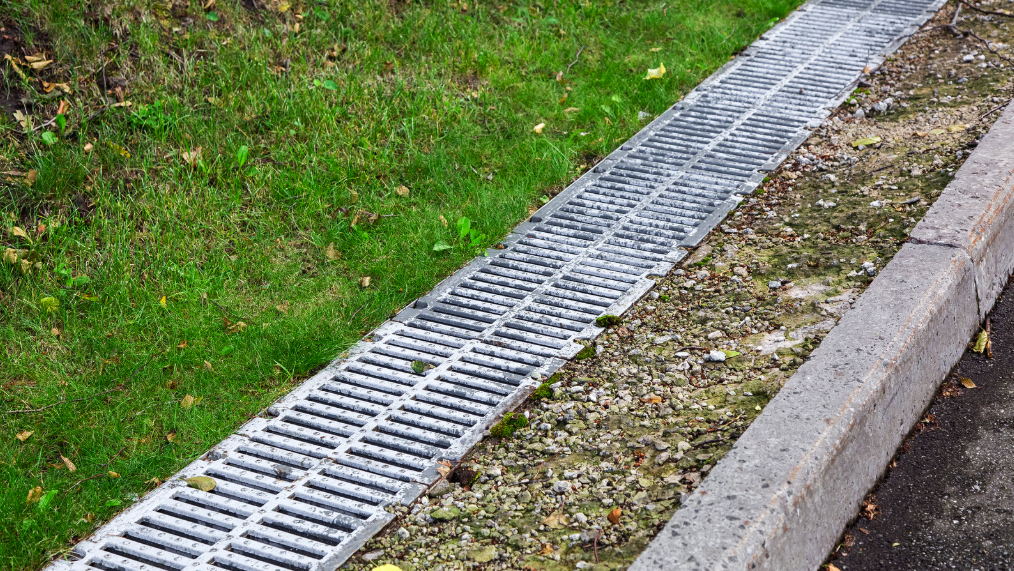
Creating a stunning outdoor environment involves much more than simply selecting colorful flowers or arranging stone pathways for aesthetic appeal. It requires a deep understanding of environmental factors and structural engineering to ensure the space remains functional and beautiful for years. Many property owners focus heavily on the visual elements while neglecting the invisible infrastructure that supports the entire ecosystem. Ignoring critical components like landscape drainage in Alpharetta is a frequent oversight that leads to costly water damage and soil erosion shortly after installation. A successful project relies on a comprehensive plan that addresses both the beauty and the biology of the land.
Improper Grading and Slope
The natural shape of the land dictates where water flows during a rainstorm, and ignoring this topography guarantees future headaches. If the ground slopes toward the foundation rather than away from it, water will pool against the structure, causing basement leaks and stability issues. Professional designers carefully analyze the terrain to establish a positive grade that channels water away safely. They use precise instruments to detect subtle changes in elevation that are invisible to the naked eye. This attention to detail prevents the formation of swampy areas that drown plant roots and breed mosquitoes, turning a potential oasis into a maintenance nightmare. Furthermore, failing to address these grading issues early can lead to significant erosion, where expensive topsoil and mulch are washed away during every storm, leaving the yard looking barren and neglected.
Incorrect System Selection
Simply digging a ditch is not a sufficient solution for complex hydraulic issues, as different problems require specific mechanical interventions. Installing the wrong type of drain can lead to system failure and continued flooding. For instance, the process of choosing between French and trench drains depends entirely on whether you are managing surface runoff or subsurface saturation. A trench drain is ideal for catching rapid flow from a driveway, while a French drain is designed to relieve waterlogged soil. Relying on professional engineers ensures that the installed infrastructure matches the specific needs of the site, preventing the disappointment of a failed system during the first heavy storm. Experts calculate the water volume to ensure pipes are sized correctly, preventing backups that could threaten the integrity of patios and walkways.
Disregarding Mature Plant Size
One of the most common visual mistakes is planting young shrubs and trees too close together without considering their final adult dimensions. What looks full and lush on day one often becomes a tangled and overgrown jungle within a few years. Overcrowding creates competition for resources, causing plants to struggle for light and nutrients. This stress makes them more susceptible to disease and pests. Additionally, aggressive root systems from large trees planted too close to walkways can eventually lift concrete and destroy hardscape. Professional horticulturists plan for the future, spacing plants with precision to allow for natural growth habits. This foresight reduces the need for excessive pruning and ensures that each specimen has the room it needs to thrive and display its natural beauty.
Ignoring Environmental Conditions
Every plant has specific requirements regarding sunlight, soil acidity, and moisture levels that must be met for it to survive. Placing a shade-loving fern in direct afternoon sun or a drought-tolerant cactus in wet clay will inevitably lead to plant death. Professional landscapers conduct soil tests and sunlight analysis to create a palette of plants that are perfectly suited to the specific microclimates of the property. This right plant, right place philosophy minimizes maintenance requirements and eliminates the cycle of replacing dead vegetation season after season. Using native species often yields the best results as they are adapted to the local climate.
Conclusion
Avoidable errors in landscape design often stem from a lack of foresight and technical knowledge regarding how natural systems interact. By prioritizing proper water management and selecting plants based on their biological needs, property owners can create outdoor spaces that are both durable and breathtaking. Trusting expert guidance ensures that every element, from the drainage pipes to the canopy trees, works in harmony. A well-planned landscape increases property value and provides a serene environment that stands the test of time.