
Modern Roofing Solutions for Safer, Sustainable Homes
Asenqua Tech is reader-supported. When you buy through links on our site, we may earn an affiliate commission.
Key Takeaways
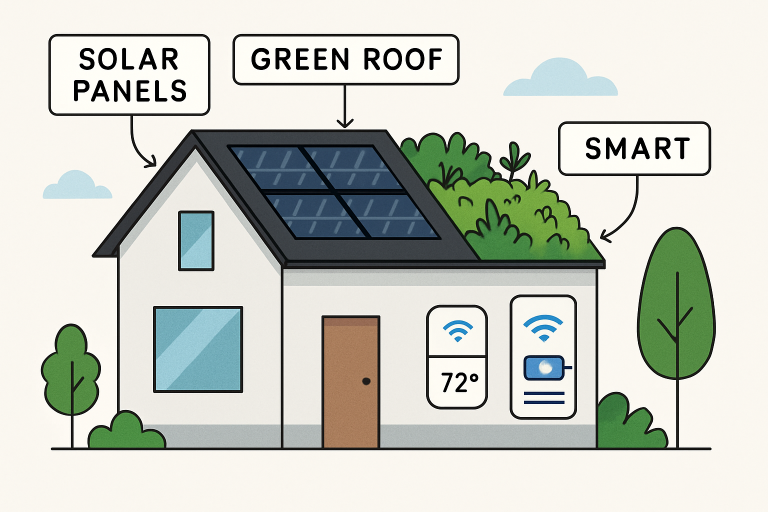
- Solar-integrated roofing systems provide energy efficiency and aesthetic appeal.
- Cool roofs reduce heat absorption, leading to lower cooling costs.
- Green roofs offer environmental benefits and improved insulation.
- Impact-resistant materials enhance durability against extreme weather.
- Smart roofing systems enable proactive maintenance through technology.
Today’s homeowners are looking for innovative roofing options that promise longstanding protection and environmental responsibility. With the climate becoming increasingly unpredictable, these advanced roofing technologies are pivotal in creating a safer and more eco-friendly living environment. As new materials and smart systems become more accessible, residential rooftops become core assets for energy management, weather resilience, and aesthetic improvement.
Modern roofing advancements are no longer limited to traditional roles like sealing out rain or supporting insulation. Instead, they now offer whole-home value, from slashing utility bills through solar integration to using digital sensors for monitoring home health. The focus has shifted to robust, low-maintenance systems, and is aligned with urban and rural sustainability needs.
Many homeowners are exploring upgrades not only for their own peace of mind, but also as a response to increasing insurer incentives and municipal regulations focused on energy conservation. Improved roofing can directly impact property values, making smart upgrades a strategic investment for the future of your home.
Solar-Integrated Roofing: Combining Protection with Energy Efficiency
Solar-integrated roofing is quickly establishing itself as a game-changer in the market. Unlike bulky traditional solar panels, these systems use photovoltaic shingles or tiles seamlessly built into the roof. This method generates renewable energy and preserves the home’s visual appeal, blending technology and aesthetics into an efficient package. Solar shingles are now designed to mimic conventional roofing styles, making them suitable for various architectural preferences.
When installing such systems, working with a professional roofer who understands roofing integrity and solar technology is essential. By converting sunlight directly into electricity, solar-integrated roofs can reduce monthly utility costs and protect against fluctuating energy prices. According to the Internal Revenue Service (IRS), homeowners who install solar shingles are eligible for a 30% tax credit through the Residential Clean Energy Credit, further offsetting installation costs.
Benefits of Solar Roofing
- Reduces reliance on fossil fuels
- Decreases household energy consumption
- Potentially increases property value
- Maintains curb appeal
Cool Roofing Technology: Reflecting Heat for a Cooler Home
Cool roofing technology is engineered with special reflective coatings and materials designed to reflect more sunlight and absorb less heat. This innovation is particularly important for homes in warm or urban climates, where excessive heat absorption can drive up air conditioning costs and contribute to the urban heat island effect. Many city municipalities encourage the Adoption of cool roofs as a strategy to address rising summer temperatures.
The U.S. Environmental Protection Agency (EPA) notes that cool roofs can reduce a building’s surface temperature, reducing energy consumption during peak periods. With less heat transferred into the home, indoor comfort is improved, and HVAC systems require less energy to maintain desired temperatures.
Green Living Roofs: Bringing Nature to Urban Spaces
Green roofs, also called living roofs, are gaining traction in residential design to combat urban heat, enhance biodiversity, and provide natural insulation. This type of roofing transforms the rooftop into a functional green space—complete with soil, vegetation, and drainage layers—that improves air quality and manages rainwater runoff. Plant roots help insulate the building below, reducing energy demands during both hot and cold seasons.
These systems have a measurable environmental impact, sequestering carbon, lowering stormwater loads on city infrastructure, and providing a habitat for birds, bees, and other pollinators. According to an EPA article, green roofs in dense cities can reduce local air temperatures and promote a healthier urban ecosystem.
Impact-Resistant Materials: Fortifying Against Extreme Weather
Weather extremes, including hailstorms, hurricanes, and heavy rains, have made it vital for homeowners to consider impact-resistant roofing materials. Modern options include reinforced asphalt shingles, composite tiles, and highly durable metal panels that offer superior denting, cracking, and moisture infiltration resistance. These materials act as a first line of defense, reducing the risk of costly repairs and safeguarding the structure beneath.
Many insurers now acknowledge the reliability of these systems, with some providing discounts on policies for homes using qualified impact-resistant materials. According to State Farm, these materials reduce claims and insurance costs, creating a win-win for homeowners and insurance providers.
Smart Roofing Systems: Integrating Technology for Proactive Maintenance
The era of smart homes has given rise to smart roofing systems equipped with digital sensors and wireless connectivity. These advanced systems provide immediate alerts for leaks, structural issues, or suboptimal thermal performance. Homeowners can access real-time insights via smartphone apps, allowing them to address potential issues before they escalate into major repairs.
By enabling proactive maintenance, smart roofing increases a home’s lifespan, reduces emergency expenses, and ensures optimal performance from traditional and energy-generating roofs. This technology-driven approach is rapidly becoming the standard for new builds and comprehensive renovations—helping homeowners save money and reduce anxiety.