An Inside Look at the Differences in Modern & Contemporary House Plans
Asenqua Tech is reader-supported. When you buy through links on our site, we may earn an affiliate commission.
Many individuals use the terms modern and contemporary interchangeably when discussing architecture, yet they actually refer to two distinct design styles. Understanding these nuances is vital for homeowners planning a custom build who want to communicate their vision clearly. This knowledge is especially useful when working with modern home builders in Naperville who specialize in bringing precise architectural visions to life.
Defining Modern Architecture
To understand the difference, one must first recognize that modern architecture refers to a specific historical era. This style is rooted in the early to mid 20th century, specifically the period from the 1900s through the 1950s. It was a movement that broke away from the traditional, ornate styles of the pre-industrial revolution era, such as Victorian or Gothic design.
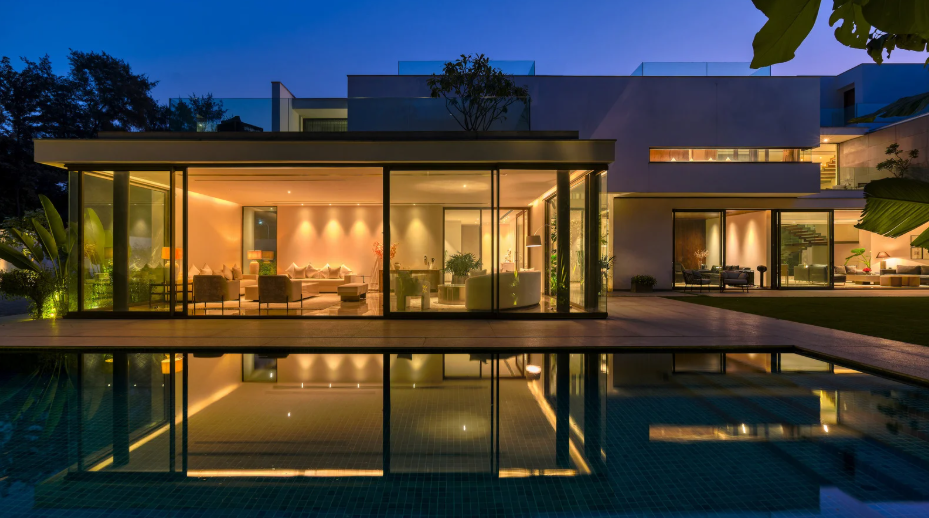
Modern design emphasizes logic, analytical precision, and functionality. The philosophy was that form should follow function. As a result, modern homes are characterized by clean lines, minimal decoration, and an emphasis on horizontal composition. The structures often feature low, flat roofs and large expanses of glass to connect the indoors with the outdoors. Inside, the decor leans towards minimalism, utilizing natural materials like wood, leather, and teak. The color palette typically includes warm neutrals and earthy tones, creating a grounded, serene atmosphere.
Defining Contemporary Architecture
Unlike modern architecture, which is tied to a specific time, contemporary architecture refers to the styles and trends being created now. It is fluid and constantly changing, reflecting the current moment. Contemporary design does not adhere to a single style but rather is an eclectic collection of influences that borrows elements from modernism, postmodernism, and other global styles.
Because it is of the moment, contemporary architecture often emphasizes innovation and forward-thinking concepts. Today, this often translates into a strong focus on sustainability and energy efficiency. Contemporary homes frequently feature state-of-the-art materials, smart home technology, and components designed to reduce the carbon footprint. While it respects the open floor plans of modernism, contemporary design is often freer and more playful with form, sometimes incorporating curved lines or unconventional geometric shapes that modernism would strictly avoid. Before you start drafting a list of questions to ask when choosing your custom home builder, it helps to have a firm grasp of the specific terminology.
Key Distinctions in Design Elements
While there is overlap between the two, particularly in their love for open spaces and minimalism, several key distinctions can help you tell them apart.
The Use of Materials
Modern architecture tends to favor traditional raw materials presented in a streamlined way. You will see a heavy reliance on wood, stone, and brick. The goal is to bring nature inside while maintaining a structured, disciplined look.
In contrast, contemporary architecture is far more experimental with its material palette. Builders often utilize industrial materials such as concrete, steel, and glass in bold ways. Contemporary homes might feature sustainable bamboo flooring, recycled glass countertops, or advanced composite materials that were not available during the mid century era. The contrast in contemporary homes is often starker, utilizing black and white palettes or bright pops of color that differ from the subdued earth tones of modern design.
Fluidity Versus Rigidity
The most significant difference lies in the rigidity of the rules. Modern architecture follows a strict set of styling codes defined by its era. It is about balance, straight lines, and right angles. There is a sense of disciplined order to a modern home.
Contemporary design loves to break the rules. It embraces asymmetry and fluidity. Architects designing contemporary homes feel free to mix styles, incorporating curved roofs or rounded walls to soften the aesthetic. This style focuses more on comfort and the occupant’s individual lifestyle than on adhering to a specific architectural dogma.
Conclusion
Distinguishing between modern and contemporary house plans allows homeowners to better articulate their desires during the design process. Whether you are drawn to the vintage discipline and warmth of mid century modernism or the fluid, eco-friendly nature of contemporary design, knowing the difference ensures your final home reflects your true intent. Both styles offer unique benefits and stunning aesthetics, but understanding their origins and rules is the first step toward building a residence that stands the test of time.