
How Veterinary Hospitals Handle Infectious Disease Outbreaks
Asenqua Tech is reader-supported. When you buy through links on our site, we may earn an affiliate commission.
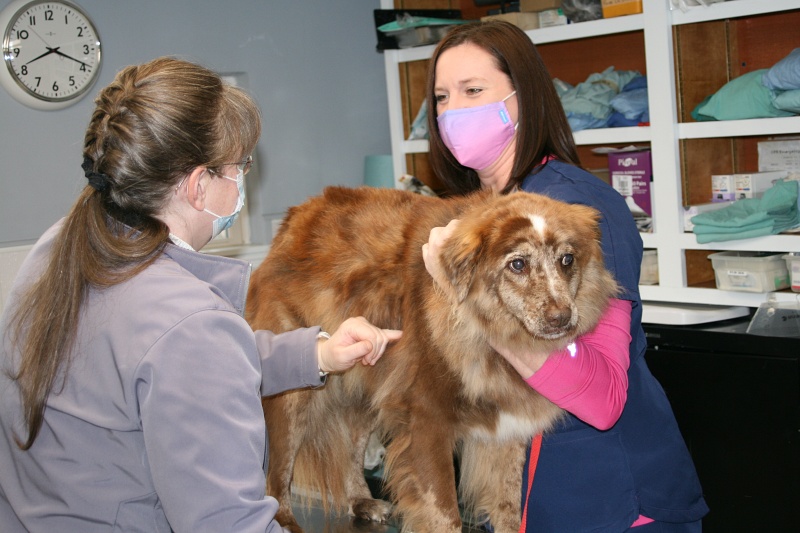
Infectious disease in a veterinary hospital can spread fast and cause fear. You may worry about your own pet and the animals your pet meets. You might also feel unsure about what happens behind closed doors. This blog explains how teams respond when an outbreak hits. You will see how staff protect every animal, every person, and the wider community. First, you will learn how hospitals spot early warning signs and confirm infection. Next, you will see how they isolate sick animals and control movement. Finally, you will learn how cleaning, record keeping, and clear messages stop further spread. A veterinarian in Vestavia Hills follows the same strict steps as large teaching hospitals. That shared discipline reduces confusion and panic. It also builds trust, so you can walk through the clinic door with less fear and more steady confidence.
How Hospitals Spot Trouble Early
Every outbreak response starts with one concern. A coughing dog. A cat with a sudden fever. A cluster of vomiting pets from the same place. Staff notice patterns and act fast.
Teams use three core tools to find disease early.
- They watch for signs in every patient visit.
- They collect a clear history about travel, boarding, and contact with other animals.
- They use tests to confirm or rule out infection.
Veterinary staff use guidance from public health sources such as the Centers for Disease Control and Prevention’s One Health program. That support helps staff link sickness in animals to risks for people. It also guides when to alert local health departments.
Immediate Steps When Staff Suspect an Outbreak
Once staff suspect an outbreak, they move fast and in a set order. Speed limits spread. Order limits mistakes.
First, they flag the case in the record. Then they warn key staff. Next, they change how the hospital handles that patient and any close contacts.
Common first steps include three actions.
- Placing the sick animal in a separate room.
- Using masks, gloves, and gowns for any contact.
- Changing how the staff moves that animal through the building.
Staff may shift other patients to different rooms. They may pause new admissions. They may ask you to wait in your car instead of the lobby. These actions feel strict. They protect your family and others.
Isolation, Quarantine, and Traffic Control
Hospitals use clear words for different control steps. That clarity keeps every staff member on the same page.
| Control step | What it means | What you might see |
|---|---|---|
| Isolation | Sick animals stay away from healthy animals. | Closed doors. Signs on the rooms. Staff in gowns and gloves. |
| Quarantine | Exposed animals stay apart while staff watch for signs. | Limited visits. Clear time frames. Extra checks by staff. |
| Traffic control | Movement of people and animals changes to cut contact. | Separate entrances. Curbside check-in. Marked waiting spots. |
These steps can feel harsh in the moment. They show respect for every family that walks in the door. They also protect staff who care for your pet.
Cleaning, Disinfection, and Safe Handling
Cleaning during an outbreak is more than a quick wipe. It follows strict routines. It uses products that match the specific germ.
Teams first remove dirt and organic matter. Then they use a disinfectant for the right contact time. Finally, they allow the space or item to dry before use.
Staff lean on trusted sources such as the National Institutes of Health guidance on environmental cleaning for infection control. That science shapes daily habits in the hospital.
Three common targets receive special focus.
- Exam tables and scales where many pets stand.
- Doorknobs, counters, and payment stations that many hands touch.
- Leashes, carriers, and bedding that move between spaces.
Waste from sick animals goes into special bags or containers. Staff label and store samples for testing with clear rules. These steps protect lab workers and waste handlers.
Protecting You and Your Family
Some germs move from animals to people. Others do not. Staff treat both with respect. Clear messages help you protect your home.
You can expect three types of guidance.
- Simple steps such as hand washing after contact with your pet.
- Clear rules about keeping sick pets away from high-risk people, such as young children and older adults.
- Instructions about cleaning pet bowls, toys, and bedding at home.
You should receive written instructions when you leave. You should understand what to watch for in your pet and in your family. You should know when to call the hospital again.
Communication During an Outbreak
Silence during an outbreak feeds fear. Honest and steady messages calm it. Staff share what they know, what they do not know yet, and what they are doing next.
Hospitals often use three channels.
- Direct calls or messages to owners of exposed animals.
- Signs at the entrance that explain any service changes.
- Website or social media updates with clear, short facts.
Staff protect patient privacy. At the same time, they explain risks in plain words. You should never leave with confusion about what happened or what comes next.
How You Can Help During an Outbreak
Your choices matter. They can slow or speed the spread. You become part of the infection control team when you follow guidance.
Three steps help most.
- Call before you bring in a sick pet. Staff can plan a safe visit.
- Use your own leash and carrier. Clean them after visits with soap and water.
- Follow isolation advice at home. Keep sick pets away from dog parks, boarding, and grooming.
Vaccines and routine care also lower risk. Up-to-date vaccines mean fewer outbreaks and fewer hard choices.
Why This Careful Process Matters
Infectious disease outbreaks test every hospital. They test systems, training, and courage. When staff follow a clear process, your pet stands a better chance. Other animals stay safer. Your community feels less strain.
You may never see all the steps behind the scenes. Yet you can feel their effect. Ordered visits. Clean rooms. Calm voices. That quiet structure comes from hard lessons and shared science. It lets you hand your pet to the team with trust, even on the hardest days.