
Progressive Enhancement & Offline-First: Designing Applications Using Service Workers for Connectivity Resilience
Asenqua Tech is reader-supported. When you buy through links on our site, we may earn an affiliate commission.
Imagine you’re building a house in a city where power cuts are frequent. You’d likely install a generator or solar backup—not because you expect outages all the time, but because you want life to go on even when they occur. In web development, progressive enhancement and offline-first design follow this very principle. They ensure your users enjoy a seamless experience—whether they’re on high-speed Wi-Fi or stuck in a tunnel with no signal.
Service Workers are the architects of this resilience, silently operating behind the scenes to make apps reliable, fast, and functional, even in the absence of connectivity.
The Philosophy Behind Progressive Enhancement
Progressive enhancement isn’t just a buzzword—it’s a philosophy. At its heart, it’s about ensuring that every user can access your content, no matter what device or browser they use. Think of it as designing a car that runs smoothly whether it’s filled with premium fuel or regular petrol.
You start with the basics—clean HTML for content and structure. Then, you layer in CSS for style, followed by JavaScript for interactivity. The app should function even if a user’s browser doesn’t support the latest features.
This principle teaches future developers the art of inclusive design. Many who enrol in a full stack developer course in Pune encounter this concept early on, as it lays the foundation for building websites that don’t just work—they adapt.
The Rise of the Offline-First Movement
As the web evolved, so did user expectations. People no longer tolerate “You’re offline” error screens. The offline-first philosophy emerged to meet this demand. It treats the network as an optional enhancement rather than a dependency.
This shift reimagines how we think about connectivity. Instead of designing for ideal conditions, we design for the worst-case scenario first. Imagine an e-commerce app that lets users browse products and add items to a cart even when disconnected, syncing everything the moment the internet returns.
At the centre of this transformation are Service Workers—a browser technology that enables caching, background syncing, and push notifications, bridging the gap between online and offline experiences.
How Service Workers Enable Resilience
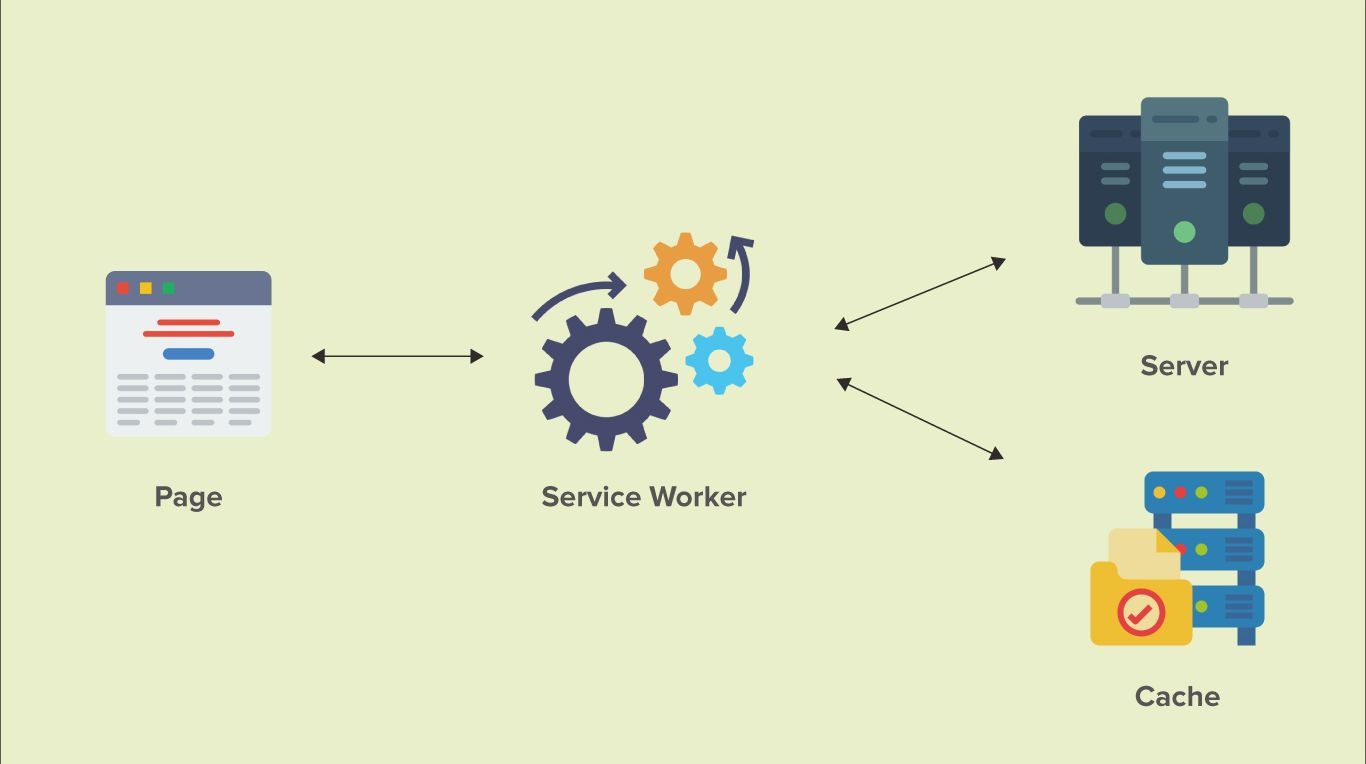
Service Workers act like the traffic controllers of modern web applications. They intercept network requests, decide whether to serve cached data or fetch from the internet, and maintain smooth experiences regardless of connectivity.
Here’s how they achieve this:
- Caching critical assets: Essential files like HTML, CSS, and images are stored locally so they load instantly.
- Background sync: Data is quietly updated in the background once the network is restored.
- Push notifications: Even when the browser is closed, Service Workers can deliver real-time updates.
When integrated thoughtfully, these features give users a native app-like experience, reducing frustration and increasing engagement.
Blending Progressive Enhancement with Offline-First
Combining both approaches is like crafting a bridge reinforced from both ends. Progressive enhancement ensures the app works for everyone, while offline-first ensures it continues working when conditions deteriorate.
Developers can start small—perhaps caching only static pages—and progressively expand to include dynamic features like background updates or custom offline messages. The end goal isn’t perfection but resilience.
Training programmes, such as a full stack developer course in Pune, often simulate these real-world challenges. Students learn how to blend design philosophies and technologies—understanding not just how apps function, but how they thrive in unpredictable environments.
The Future of Reliable Web Applications
As more of the world connects via mobile networks, reliability has become as important as functionality. The modern user expects instant access, zero downtime, and sleek performance—conditions that progressive enhancement and offline-first approaches are designed to meet.
The web of tomorrow will prioritise accessibility, inclusivity, and resilience. Developers who master these skills will shape that future—building applications that never leave users stranded, even when the signal fades.
Conclusion
Connectivity resilience isn’t just a technical goal—it’s a user promise. By combining progressive enhancement with offline-first principles, developers can design digital experiences that perform gracefully under any condition.
Service Workers are the quiet heroes making this possible, bridging the online-offline divide. In a world that demands speed and reliability, learning to wield these tools is essential. For aspiring professionals, understanding such architectures transforms them from mere coders into thoughtful engineers who build for every user, everywhere.