How Alcohol Impairment Affects Liability In Car Accidents
Asenqua Tech is reader-supported. When you buy through links on our site, we may earn an affiliate commission.
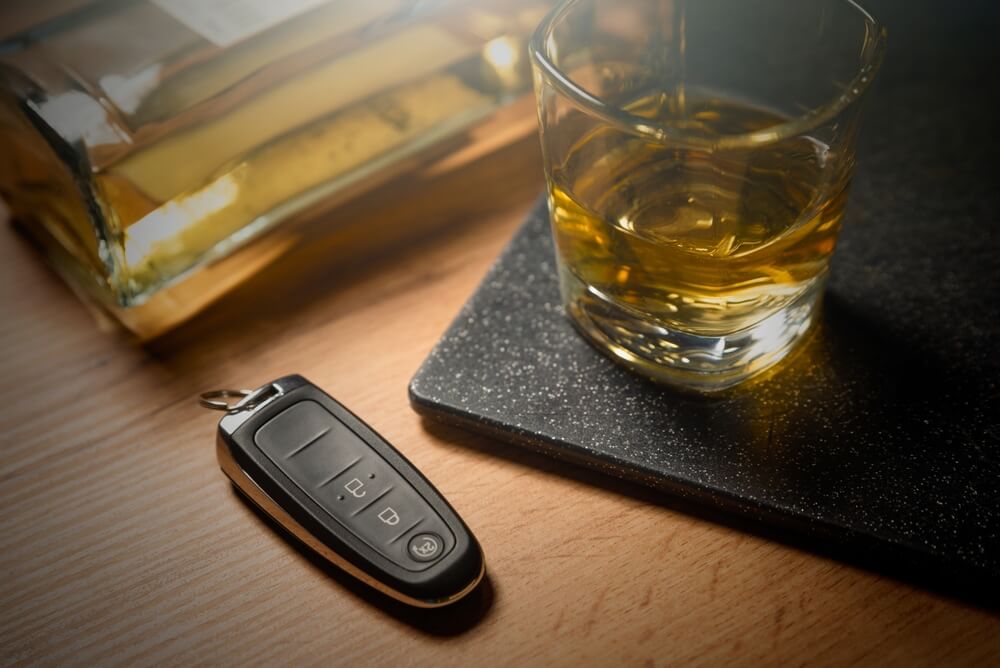
Alcohol changes how you drive. It also changes what happens after a crash. When you drink and drive, you do more than break the law. You create risk for yourself, your passengers, and everyone near you. You also change how police, judges, and insurance companies see your actions. This blog explains how alcohol use affects fault, monetary damages, and even criminal charges after a crash. You will see how blood alcohol content, field tests, and witness statements shape your case. You will also learn what to expect if the other driver was drunk. Or if both of you had been drinking. This information will not erase harm. It can help you protect your rights and your future. For more legal detail, visit https://www.chrishartlaw.com for plain language guidance on drunk driving crashes and liability.
What Alcohol Impairment Means
Alcohol affects your brain, eyes, and muscles. It slows your reaction time. It blurs judgment. It reduces control of your hands and feet. Even one drink can change how you react on the road.
Most states use a blood alcohol concentration, or BAC, of 0.08 as the legal limit for adult drivers. Some states use lower limits for young drivers and for commercial drivers. Police use breath tests, blood tests, and field tests to measure impairment.
You can read more about how alcohol affects driving on the National Highway Traffic Safety Administration site at https://www.nhtsa.gov/risky-driving/drunk-driving.
How Impairment Changes Fault
Fault is the share of blame for a crash. When alcohol is present, fault often shifts.
- If you drive drunk and cause a crash, you carry most or all of the fault.
- If the other driver is drunk and hits you, that driver often carries most of the fault.
- If both drivers are impaired, each person may share fault based on actions.
Investigators look at three core pieces of proof.
- BAC results and test records
- Witness stories and video
- Crash scene facts such as skid marks and damage
Evidence of alcohol use can turn a simple rear-end crash into a serious legal case. It can change who pays and how much.
Civil Liability When Alcohol Is Involved
Civil liability means who must pay for harm. That harm can include
- Medical care
- Lost pay
- Car repair or replacement
- Pain and long term limits on life
When a driver is drunk, two things often change.
- The drunk driver may face larger monetary damages.
- Insurance companies may fight harder to reduce what they pay.
In some cases, a court may award extra money as punishment. These are called punitive damages. Courts use them to send a hard message about drunk driving.
Criminal Charges And Their Effect On Your Claim
Drunk driving is a crime. Charges can include driving under the influence, reckless driving, or even vehicular homicide when someone dies.
A criminal case and a civil claim are different. The state brings criminal charges. You or your family brings the civil claim.
Yet the two can touch each other.
- A guilty plea or conviction can support your civil claim.
- Testimony from the criminal case can show what happened.
- Delays in the criminal case can slow your civil claim.
Even if the drunk driver avoids conviction, you can still bring a civil claim. The rules of proof are different.
How Alcohol Changes Insurance Company Actions
Insurance companies look for risk and cost. When alcohol is involved, they often respond in three ways.
- They may deny coverage if the policy has limits on drunk driving.
- They may try to blame you even when the other driver was drunk.
- They may push quick, low offers to close the claim.
You can protect yourself by acting early.
- Report the crash to your insurer.
- Get a copy of the police report.
- Keep records of medical visits, bills, and missed work.
You can also read more about impaired driving facts from the Centers for Disease Control and Prevention at https://www.cdc.gov/.
Comparing Drunk Driving and Sober Driving Crashes
| Factor | Crash With Sober Driver | Crash With Drunk Driver |
|---|---|---|
| Fault | Based on traffic rules and actions | Often shifts toward a drunk driver due to unsafe choice |
| Evidence | Witnesses and crash scene | All normal proof plus BAC tests and field tests |
| Criminal Case | Less common | Common due to DUI or related charge |
| Money Damages | Based on harm only | Can include extra punitive damages |
| Insurance Response | Standard claim review | Closer review and more disputes |
What To Do After A Crash Involving Alcohol
After any crash, your safety comes first. When alcohol is involved, your steps matter even more.
- Call 911 and ask for police and medical help.
- Tell officers if you smell alcohol or see open containers.
- Ask for medical care even if you feel fine.
- Take photos of the scene, the cars, and any bottles or cans.
- Get contact details for witnesses.
- Do not argue with the other driver about fault.
Later, write down what you remember. Include time, place, weather, and what you saw the other driver do. Memory fades. Notes help.
Protecting Yourself And Your Family
Alcohol related crashes bring shock and fear. You may face pain, bills, and pressure from insurers. You also may feel anger that someone chose to drive drunk.
You cannot change that choice. You can take control of your next steps.
- Seek care for your body and your mind.
- Keep all documents in one safe place.
- Ask questions until you understand your options.
Law and science both show one clear truth. Choosing not to drink and drive protects you and the people you love. When others do not make that choice, strong evidence and clear action can help you hold them accountable and guard your future.