
Why Direct-to-Consumer Brands Are Rethinking Their Marketing Approach
Asenqua Tech is reader-supported. When you buy through links on our site, we may earn an affiliate commission.
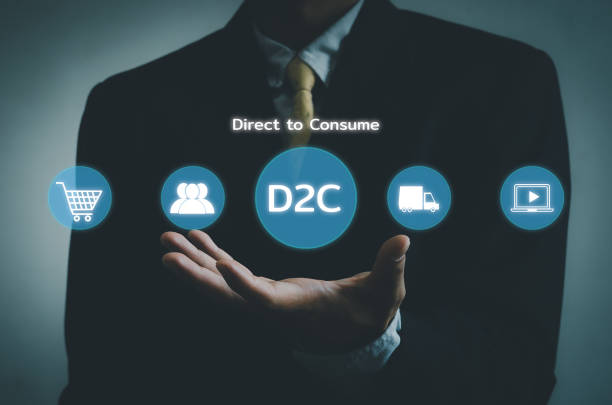
Have you ever looked at how people shop today and thought, this feels a lot more personal than it used to?
That shift is exactly why direct-to-consumer brands are rethinking how they market themselves. People now expect more than a nice product and a clean website.
They want useful content, fast answers, clear value, and a buying experience that feels simple and human from start to finish.
In 2026, direct-to-consumer marketing is becoming more thoughtful, more customer-focused, and more connected to real everyday behavior. Brands are paying closer attention to how people find products, what builds trust, and what keeps customers coming back.
Instead of relying on one channel or one style of messaging, they are building a fuller approach that matches how people actually browse, compare, and buy.
Customer Expectations Are Shaping New Marketing Decisions
People have more ways to shop than ever before.
They can find a product through search, video, email, social content, recommendations, or a quick online review. Because of that, direct-to-consumer brands are adjusting their marketing to meet customers at different points in the buying process.
The focus is becoming less about pushing a message and more about creating a smooth, helpful experience.
Shoppers Want Clear And Helpful Information
Customers like brands that make things easy to understand.
They want product pages that answer common questions, emails that feel relevant, and content that explains how something fits into real life. A brand that gives clear information early often makes the buying process feel more comfortable and more natural.
This is why many direct-to-consumer brands are investing more in educational content, product explainers, and simple messaging. They are realizing that clarity helps customers move forward with confidence.
Trust Is Built Through Consistency
Trust does not come from one ad or one post.
It grows when a brand feels steady across its website, emails, social content, and customer communication. When the tone is consistent, and the message stays clear, people know what to expect. That kind of familiarity can make a brand feel easier to connect with over time.
Brands Are Moving Beyond Single-Channel Marketing
A lot of direct-to-consumer brands used to put most of their attention into one or two channels.
Now, the approach is becoming more balanced. Brands are spreading their efforts across content, email, search, video, community-building, and customer retention. This helps them stay connected with customers in a more complete way.
A Broader Mix Creates More Touchpoints
Most people do not buy the first moment they hear about something.
They may see a product in a short video, visit the website later, sign up for emails, and then come back after reading reviews or comparing options. Direct-to-consumer brands understand this better now, so they are building marketing systems that support every step of that path.
A more complete channel mix often includes:
- educational blog content
- email flows for new and returning customers
- short-form video content
- search-friendly product and category pages
- helpful post-purchase communication
Each piece supports the others, which makes the full marketing approach stronger.
Owned Channels Are Getting More Attention
Brands are also putting more care into channels they can manage directly, like email lists, website content, and customer communities.
That makes sense because these channels help create long-term relationships. A visitor who joins an email list or returns to read useful content is already showing interest. Brands are treating that interest with more care by offering steady, relevant communication that feels personal instead of generic.
Retention Is Becoming Just As Important As Acquisition
Bringing in new customers still matters, but direct-to-consumer brands are also giving more attention to the people who already know them.
That mindset is changing marketing in a very practical way. Instead of focusing only on first-time sales, brands are working harder to create repeat interest and long-term customer value through thoughtful communication and a better overall experience.
Repeat Customers Support Stronger Growth
When someone has a good experience with a brand, there is a strong chance they will want to return.
That is why many brands are improving the parts of marketing that happen after the first purchase. They are sending better follow-up emails, sharing product tips, and creating content that helps customers get more value from what they bought.
A simple retention-focused approach can include:
- welcome emails that set expectations clearly
- follow-up messages with useful tips
- personalized product suggestions
- loyalty communication that feels warm and relevant
This style of marketing feels less transactional and more relationship-based, which fits very well with the direct-to-consumer model.
The Customer Experience Now Shapes Marketing Strategy
Marketing no longer stops at the moment someone clicks buy.
For direct-to-consumer brands, the full customer experience is now part of the marketing strategy itself. Shipping updates, support replies, post-purchase care, and re-engagement messages all play a role in how customers feel about the brand. That is why teams are now thinking more carefully about every stage, not just the first impression.
Data And Personalization Are Helping Brands Refine Their Message
Direct-to-consumer brands have direct access to customer behavior, and they are using that insight in smarter ways.
They can see what pages people visit, which products get attention, what emails are opened, and what content leads to action. This helps them shape messaging that feels more relevant and timely.
Better Insights Lead To More Relevant Marketing
When brands understand what people respond to, they can create communication that feels more useful.
Instead of sending the same message to everyone, they can adjust content based on interests, buying behavior, or stage in the customer journey. That can make emails feel more personal and website content more aligned with what customers want to see.
Even brands that work with a direct to consumer marketing agency often value this kind of data-led support because it helps turn customer behavior into clearer messaging and stronger content planning.
Personalization Makes The Brand Feel Closer To The Customer
People appreciate messages that match their needs.
A returning customer may want product recommendations, while a new visitor may need a simple introduction. Direct-to-consumer brands are paying more attention to those differences. That helps them create communication that feels more natural and more helpful at each stage.
Brand Storytelling Is Becoming More Practical And Real
Direct-to-consumer brands still care about brand identity, but the way they tell their story is becoming more grounded in everyday customer needs.
Instead of trying to say everything at once, they are focusing on what matters most: what the product does, how it fits into daily life, and why the experience feels worth coming back to.
Real-Life Relevance Matters More Than Fancy Messaging
People connect with brands that feel clear and relatable.
That is why many direct-to-consumer brands are using simpler language, more real-life examples, and content that feels closer to actual customer questions. They want marketing to feel useful first, while still reflecting the brand’s personality.
This makes the brand easier to understand and easier to remember.
Conclusion
Direct-to-consumer brands are rethinking their marketing approach because customer behavior has become more connected, more informed, and more experience-focused.
In 2026, the strongest approaches are built around clarity, consistency, personalization, and long-term relationships. By paying attention to the full customer path instead of just one moment, direct-to-consumer brands are creating marketing that feels more helpful, more human, and more aligned with how people shop today.