How Fluoride Treatments Help Strengthen Tooth Enamel
Asenqua Tech is reader-supported. When you buy through links on our site, we may earn an affiliate commission.
Strong tooth enamel protects you from pain, infection, and expensive treatment. When enamel weakens, everyday life changes. Cold water hurts. Chewing feels risky. Smiling can feel unsafe. Fluoride treatments give your enamel real support. The mineral in fluoride pulls weak spots together and makes teeth harder to damage. Regular brushing and flossing help. Still, they cannot fully repair early enamel loss on their own. Professional fluoride treatments add a deeper layer of defense. They slow early decay. They help reverse soft spots before they turn into cavities. If you visit a dental office in Southeast Denver, your dentist can place fluoride where you need it most. You sit in the chair for only a few minutes. The treatment is quick, painless, and quiet. Then your enamel keeps working for you all day, every day.
What Tooth Enamel Does For You
Enamel is the hard outer shell of each tooth. It keeps heat, cold, sugar, and germs from reaching the soft inner layers. You cannot grow new enamel once it is gone. You can only protect it and strengthen what you still have.
Every day, acids from food and drink pull minerals out of enamel. Saliva and fluoride can put some minerals back. Your choices decide which side wins. Without support, enamel grows thin. With fluoride, enamel fights back.
How Fluoride Strengthens Enamel
Fluoride is a natural mineral. It mixes with saliva and touches every tooth surface. When it reaches weak enamel, it helps pull calcium and phosphate back into the tooth. That process is called remineralization.
Over time, enamel that takes in fluoride becomes harder for acids to damage. Tiny weak spots can heal before they turn into holes. You may never feel a problem because fluoride stopped it early.
You get fluoride in three main ways.
- Fluoridated tap water
- Fluoride toothpaste and mouth rinses
- Professional fluoride treatments at the dentist
Each source helps. Still, professional treatments give a stronger dose right where it is needed.
Professional Fluoride vs Daily Care
Daily care and professional care work together. You need both.
| Type of fluoride | Who uses it | How often | Main benefit |
|---|---|---|---|
| Fluoridated tap water | Everyone who drinks it | All day | Helps protect all teeth from early childhood through older age |
| Fluoride toothpaste | Children and adults who brush | Twice a day | Cleans teeth and adds a steady layer of protection |
| Fluoride mouth rinse | Older children and adults | Once a day or weekly | Reaches between teeth where the brush may miss |
| Professional fluoride treatment | People at higher risk for cavities | Every 3 to 12 months | Delivers strong, focused protection to weak spots |
The Centers for Disease Control and Prevention explains how community water fluoridation lowers tooth decay for children and adults.
Who Benefits Most From Fluoride Treatments
Some people need extra fluoride support. You may benefit if you have one of these situations.
- Frequent cavities now or in the past
- White or brown spots on teeth
- Braces or other appliances that trap food
- Dry mouth from medicine or health conditions
- Receding gums that expose root surfaces
- High intake of sugary drinks or snacks
Children benefit because their enamel is still maturing. Older adults benefit because roots may show, and saliva flow may drop. Teens with braces often need extra fluoride because brushing well around wires is hard.
What Happens During a Fluoride Treatment
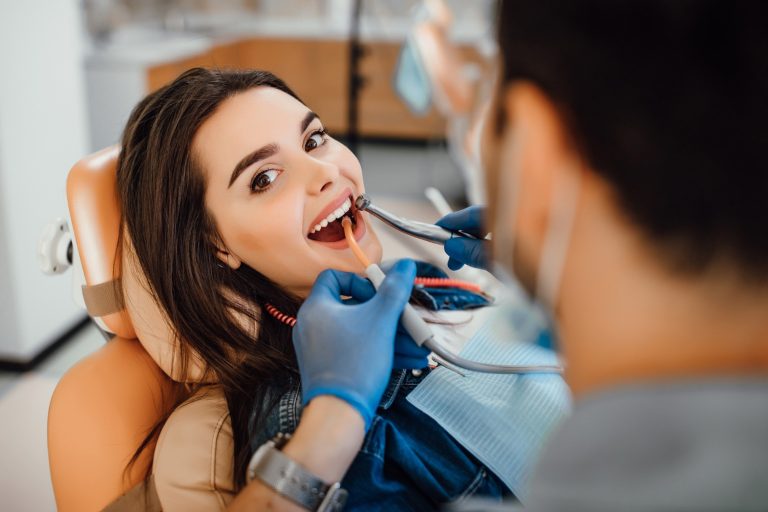
The visit is simple. You sit in the chair. The dental team dries your teeth with air or cotton. Then they place fluoride on your teeth as a gel, foam, or varnish.
With gel or foam, you may bite into a soft tray for a few minutes. With varnish, the dentist paints a thin layer on each tooth. The varnish hardens quickly when it touches saliva. You can close your mouth right away.
You may need to avoid food or drink for a short time after the visit. Your dentist will give clear instructions. There is no recovery time. You can return to school, work, or home right away.
Safety And Side Effects
Fluoride treatments use a controlled amount. The American Dental Association explains that professional fluoride treatments are safe when used as directed.
Possible minor side effects include these.
- Temporary taste you may not like
- Brief feeling of sticky teeth with varnish
Children receive a dose based on age and size. The dental team watches them during the visit. Swallowing a small amount during treatment usually causes no harm. At home, you can lower risk by storing toothpaste out of reach and using a pea-sized amount for children.
How To Support Enamel At Home
Fluoride treatments work best with strong daily habits. You can protect enamel with three simple steps.
- Brush twice a day with fluoride toothpaste. Spit out the foam. Do not rinse with water right away. That choice keeps more fluoride on your teeth.
- Limit sugary snacks and drinks. Choose water between meals. Save sweets for short, planned times.
- Visit your dentist regularly for cleanings and checkups. Ask if you or your child should receive fluoride treatments and how often.
Small daily choices plus professional fluoride support can keep enamel strong through every stage of life. You protect your comfort. You protect your smile. You also lower the chance of sudden dental costs that strain your home.